

Key Highlights
Here are the key takeaways when considering cremation and faith:
- The Bible does not have an explicit command that forbids or endorses cremation.
- Traditional burial was the standard practice for Israelites and early Christians.
- The few mentions of burning a body in the Old Testament are often linked to punishment or unique circumstances, not standard practice.
- Most Christian denominations, including the Catholic Church, now permit cremation as an acceptable option.
- Your choice between burial and cremation is a matter of personal preference, conscience, and honoring the body.
Introduction
As more people choose cremation instead of traditional burial for the first time, some in the Christian faith ask questions. You may want to know if cremation is in line with Christian teaching. When you think about end-of-life choices, you want to honor your beliefs and the person you love. Many people look to the Bible for help, asking what it says about cremating the body. This article talks about what the Bible says on this big topic. It can help you make a good decision that fits your faith.
Understanding Cremation in a Biblical Context
When you try to find a mention of cremation in the Bible, you will see that the Bible does not say much about it. In both the Old and New Testaments, people were usually buried when they died. The practice of cremation is not talked about much.
When burning a human body does show up in bible verses, it is often about punishment or done for health reasons after war. These passages do not say yes or no about the practice of cremation. We can look at how cremation was seen in old times and in different groups to get more answers about how people handled a person’s remains.
The Meaning of Cremation and Its Role in Human History
For many years, people followed a traditional funeral with the body, an embalming, a casket, and a burial plot. This was the standard practice. Most people thought this was the best way to take care of a person’s remains and show respect. But over the past hundred years, the practice of cremation has grown. People now see it as another good way to handle human remains.
The simplicity of cremation is something people like. With cremation, you do not need many of the things used in a traditional burial. This makes it a less costly choice. The popularity of cremation is growing fast. More people now see it as a real and good option after someone dies.
With this change, many people ask if the practice of cremation will fit with their faith. They want to make sure their final wishes will not go against what they believe. That’s why they are looking more at what their religious books say about cremation.
How Cremation Was Viewed in Ancient Jewish Culture
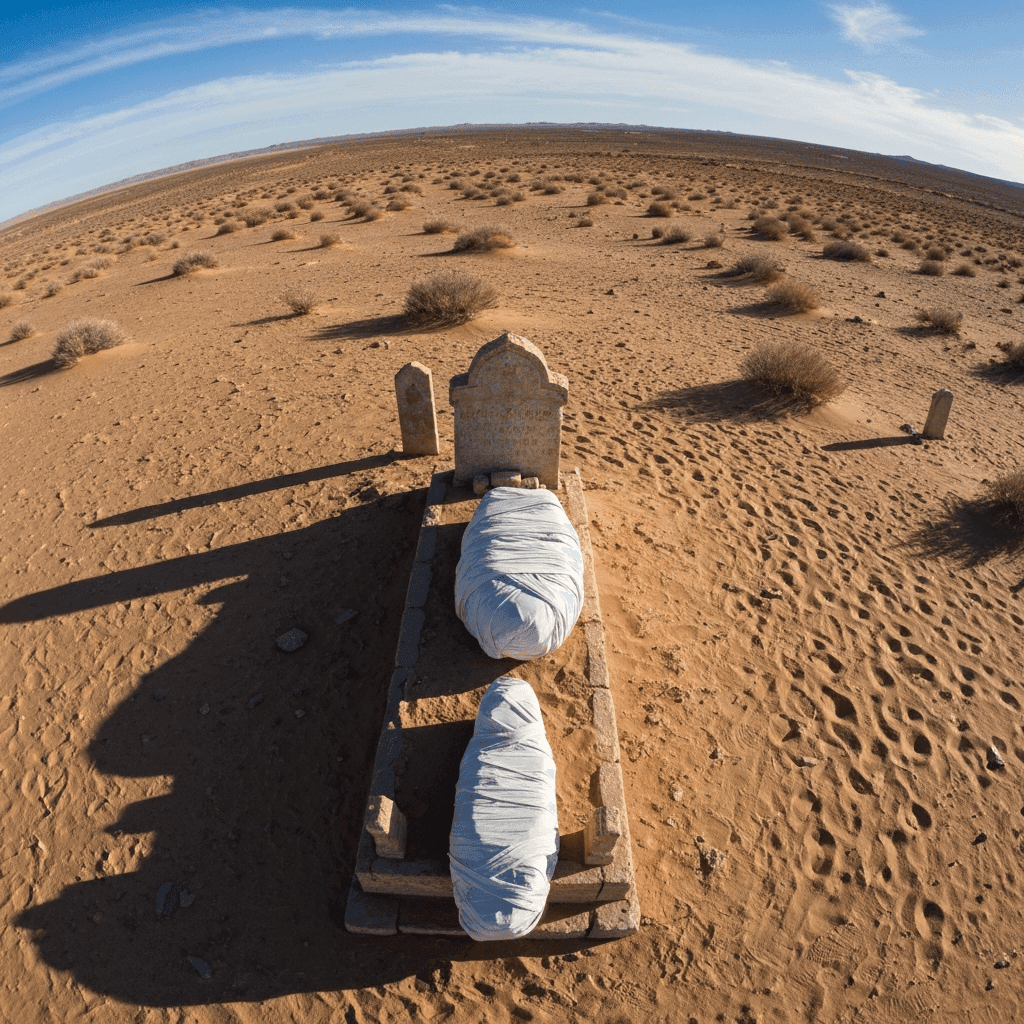
In ancient Jewish culture, burial was the usual and respected way to handle the body after death. The Old Testament shares many stories of leaders and kings being buried with care. This shows how important burial was at the time. People wanted to put the body back in the earth with respect.
There is a mention of cremation in the Old Testament about the bodies of Saul and his sons. After they died in battle, their bodies were treated badly by their enemies. Some brave men went to get the bodies of Saul and his sons. They burned them first. Then, they buried their bones. Many believe this was a special case.
The burning of the bodies was most likely for health reasons because of their condition. It was not done as a religious ritual. This act was seen as an honorable way to deal with a hard situation. Still, they put the remains in a sacred place later on, which showed that burial was still the final and proper step.
Cremation in the Old Testament
The Old Testament often shows that a traditional burial is the main way people would take care of the body after death. When there is a mention of cremation, it is usually connected to bad times or situations where someone is judged. This is very different from the respect given to a traditional burial. One story that people talk about a lot is about the body of Saul.
These mentions are not common. They do not set an example that cremation is something people should want. To really understand what the Old Testament says about the body and how to handle it, you need to look at these bible passages and know what they meant to the people at the time. Let’s look at what the Old Testament actually says about the mention of cremation and what it means about how people felt about it.
Old Testament References to Cremation Practices
While most people chose burial, there are a few mentions of cremation in the Old Testament. These Bible verses are rare and do not set up cremation as a common practice. They mainly appear during special or hard times.
The main examples are:
- 1 Samuel 31:11-13: When people in Jabesh-gilead heard what happened, they learned that the Philistines had treated the body of Saul and his sons with great disrespect. So, they brought back the bodies, burned them, and buried their bones. They did this to stop anyone from hurting the bodies more and to show respect.
- Amos 2:1: The book of Amos talks about how the Lord judges Moab for burning the bones of the king of Edom. This act was seen as very wrong and showed disrespect.
These parts of the Old Testament make it clear that burning the body was not what Israelites usually did. For the body of Saul, it was done because of a bad situation. In other stories, burning the body showed disrespect or was meant as a punishment. In most cases, burial stayed as the main practice that people honored.
Cultural Significance of Burial Versus Cremation Among Israelites
For the ancient Israelites, burial was very important. It was seen as a way to show love, respect, and care to someone after they died. In the Old Testament, there are many times when important people are given special attention in how they are buried. This shows that taking care of human remains through burial was the right and most honorable thing to do.
The Israelites did not feel the same about cremation. Burning a body was a sign of shame or punishment. It was sometimes what their neighbors, who did not share their faith, would do. Cremation was not a part of normal burial practices for the Israelites. If it happened at all, it was during hard times.
Because of this, the choice to bury someone was about more than just what was easy. It pointed to their beliefs and the way they viewed life and death. Burial stood for a peaceful end and was something that set them apart from others. The preference for burial is something you see again and again in the Old Testament.
Cremation in the New Testament
When you read the New Testament, you will see that there is no mention of cremation. Early Christians focused on burial. They did this because Jesus was buried after his death. They showed respect for the body, which they saw as the temple of the Holy Spirit.
But in the New Testament, you also see a new way of thinking about death. There is the hope of resurrection, and this idea was very important. It changed how believers looked at death and the end of life. Let’s see how the early Christians felt about the body and what they thought about death from these teachings.
Attitudes Toward the Human Body and Burial Among Early Christians
The early Christians thought the human body was important. They saw the body as the work of God and treated it as special. This is one reason why they chose traditional burial. At that time, they followed Jewish ways of burying someone who died. This was done with care and respect. They tried to do things like Jesus’ own burial, using his story to guide them.
Other groups around them, like the pagan Romans, chose cremation instead. Early Christians wanted to stand out, so they picked burial to show their faith and trust in the resurrection. This was one way to honor the body that carried the soul.
But even though they cared about the physical body, their main hope was not about keeping it safe forever. What mattered most was getting a new, spiritual body after this life was over. For them, how they took care of the body was not as important as the promise of eternal life.
Interpretations of New Testament Teachings Related to Death and Cremation
The New Testament gives guidance that can help people think about cremation, even though it does not talk about it straight out. The lessons found in it talk more about the soul and what happens after death. They care less about how the body is handled after someone dies.
Key interpretations include:
- The Resurrection of the Body: Christians put their hope in the resurrection of the body because Jesus was raised. Many people believe that God can make a new body, no matter if the old body was buried or turned to ash.
- Focus on Eternal Life: In Luke 12:4-5, Jesus teaches that the soul matters more than what happens to the body after death.
- God’s Omnipotence: In Mark 13:27, God promises to gather his people. The verses point out that God can bring someone back, no matter what has happened to their body.
These teachings ask people to look beyond the earthly body. They remind us that core beliefs about the resurrection of Jesus, the resurrection of the body, and eternal life are not at odds with cremation.
Does the Bible Forbid or Allow Cremation?
So, what is the final answer? The Bible does not give a direct command that says cremation is wrong. There is no explicit scriptural command in the Old Testament or the New Testament that calls this a sin. While most people in the Bible were buried, it does not speak out against cremation. This means that cremation is not forbidden.
Because the Bible does not clearly say no, most Christians now think this choice is up to each person. Let’s look at some important Bible verses and talk about the main ideas for showing honor to the body. This can help you when you have to decide.
Evaluating Key Bible Verses on Cremation
While there are no specific cremation Bible verses that give a direct command, some passages are often brought into the discussion. Understanding their context is key to interpreting what they mean for the practice of cremation today. None of these verses, however, offer specific direction on the matter.
Here is a look at some relevant verses and their interpretations:
Bible Verse | Context | Interpretation Regarding Cremation |
|---|---|---|
Genesis 3:19 | God tells Adam, “for dust you are and to dust you will return.” | This is often seen as a description of natural decomposition, not a command for burial. It signifies that our bodies will return to their basic elements, regardless of the method. |
1 Samuel 31:11-13 | The bodies of Saul and his sons were burned after being desecrated in battle. | This was an exceptional act of honor to prevent further dishonor, not a standard religious practice. Their bones were then buried, showing burial was still the ideal. |
2 Kings 21:6 | King Manasseh is condemned for sacrificing his son in fire. | This verse condemns a pagan ritual of human sacrifice, not the practice of cremating the deceased as part of a funeral rite. |
Ultimately, these verses do not provide a clear mandate for or against cremation, leaving the decision open to individual interpretation and conscience.
Biblical Principles for Honoring the Body After Death
The Bible does not say you must follow one method for what happens to the body after death, but it does give some principles. The main message is that the physical body is made by God. So, it should be shown respect and care. You can do this with burial or cremation.
Funerals are there for the people who stay behind. They give loved ones time to be sad, remember, and start to heal. A respectful service, whether with a casket or urn, helps people do this. The way you say goodbye needs to show love and honor for the person who is gone.
Christians believe both the body and the spirit belong to God. What matters most is not the state of the physical body but the hope of resurrection and eternal life. No matter if the body is buried or cremated, people trust God with what happens next. This trust can make things a little easier for families who are hurting.
Christian Views on Cremation Versus Burial
For many years, most people saw traditional burial as the main way, based on Christian teaching. But as the world has changed, so did ideas about cremation. Today, many Christian leaders and groups think cremation is a good choice instead of burial, even though some still like burial best.
If you are looking into services like cremation Houston, you’ll see that the choice is now more personal. To help pick what is best for your family, it is good to know the main differences between these options and what things matter most to Christians today.
Differences Between Traditional Burial and Cremation Practices
Choosing between traditional burial and cremation means thinking about a few key, down-to-earth things. Both ways let people hold respectful funeral services, but the steps and results are quite different. For many, knowing these differences is the first thing to do when starting funeral arrangements.
Here are some main differences:
- Process: Traditional burial usually means the body is prepared with embalming, then placed in a casket for people to come see and have a graveside service. Cremation means the body is turned to ashes. This can happen before or after a memorial service.
- Cost: Cremation is most often less costly than burial. You do not need to pay for a casket, burial plot, or a headstone.
- Final Resting Place: With burial, the body stays in a certain spot in a cemetery. With cremation, people can keep the ashes in an urn, place them in smaller burial plots, or scatter them.
These things can be talked about with the providers of funeral services Houston to find what will work best for you.
Factors Influencing Christian Choices About Cremation Today
The popularity of cremation has gone up among Christians. People choose it for many different reasons now. The decision to have a cremation is not just about following old traditions. It is often about what will be best for their family’s needs, their money matters, and their personal preferences.
A big reason people pick cremation is cost. Direct cremation is much less expensive than a traditional funeral. There are also people who think about the planet. They see cremation as a way to be kind to the earth. Moving the body for a burial can be hard and cost a lot now, when people live all over. It is much easier to move ashes to the final place you want.
For many, the main goal is to feel peace of mind and get a sense of closure. Families can have a memorial service even if the body is not there. This lets them say goodbye, honor their loved one, and think about the life they had. So, for many families today, cremation is the best option.
Denominational Perspectives on Cremation
Different Christian denominations do not all say the same thing about cremation. Most of them now see it as an acceptable way to take care of a person’s remains. In the past, this was not the case. For example, the Catholic Church did not allow cremation before, but its view on this has changed.
Protestant churches mostly let people make their own choice on this topic. Some, like Jehovah’s Witnesses, have special guidelines about what to do. Knowing what these different groups believe can help you make your choice. Let’s look at what the main Christian groups say about cremation.
Catholic Teaching and Guidelines About Cremation
For many years, the Catholic Church did not allow cremation. The reason for this was to set Christian ways apart from other old customs and to put focus on the resurrection of the body. The Church wanted the body to stay whole after death, just like how Christ was buried.
This rule changed in 1963. Now, the Catholic Church lets people choose cremation. But, it can’t be picked for reasons that go against what the Church teaches, like not believing in the resurrection of the body. The Church still says it is better to have a traditional burial. Still, it understands that cremation can be a good and right choice for some people.
Even now, the Catholic Church has rules about the body and ashes. The ashes must be treated with the same care and respect as the whole body. They need to be buried or placed in a sacred place, such as a cemetery or columbarium. The Church does not want the ashes to be scattered or kept at home. This helps make sure the remains have a safe and lasting place for family and others to visit and honor.
Protestant and Other Christian Denominations’ Stance on Cremation
Outside of the Catholic Church, in most Protestant and other Christian denominations, people have more freedom when it comes to cremation. Most of these groups do not say you cannot do it. They leave it up to the person, so you can choose what you feel best about.
This idea comes from the belief that God’s power is bigger than what happens to the body. Here are some examples:
- Mainline Protestant Churches: Churches like the Methodists, Lutherans, and Presbyterians mostly allow cremation. They see it as a good option if you do not want a burial.
- Evangelical Leaders: Well-known figures like Billy Graham have said being cremated is not wrong. He said it does not change your salvation.
- Jehovah’s Witnesses: This group says you can get cremated. The Bible does not say that you cannot. They care most that funeral services for the body are simple and respectful.
Some teachers, like John MacArthur, may still want burial for themselves. But most people agree that cremation is allowed for Christians. The choice is yours in these churches.
Conclusion
To sum up, cremation and its place in the Christian faith bring up many things to think about. When you look at the Bible, history, and different cultures, you see that beliefs about cremation are not the same for everyone. The Bible does not say you cannot choose cremation, so people can decide based on their own views and what their church teaches. You might like a traditional burial or you might want to go with cremation. What is most important is that you honor the person’s life and follow your beliefs. If you are thinking about what to do, it is smart to ask for advice and get quotes that fit your faith and what you need. In the end, no matter which way you go, the love and good memories you and your family share will always be what matter most.
Frequently Asked Questions
Does the Bible consider cremation a sin?
No, the Bible does not say that cremation is a sin. There is not any explicit scriptural command that says cremation is wrong. In the past, traditional burial was the most common way. But now, because there is no rule against cremation in the Bible, most Christian denominations see it as something people can choose. It is not seen as something that breaks God’s law.
Will cremation prevent someone from going to heaven according to Christian faith?
No, cremation does not keep someone out of heaven. In the Christian faith, your soul and what you believe about Jesus Christ are what matter. It does not depend on the state of the body after death. God can give a new body at the resurrection of the body. Cremation does not stop this from happening.
Are there comforting Bible verses for families considering cremation?
Families can find peace of mind in bible verses that talk about hope of resurrection and how God is in control of life and death. For example, 1 Corinthians 15 talks about changing from a physical body to a spiritual body. These words can help people feel better and bring some hope when times are hard.
[Christians only] Is cremation OK? : r/TrueChristian
Many Christians believe that cremation is acceptable, as the Bible doesn’t explicitly prohibit it. Instead, it emphasizes the resurrection of the body and faith in God. Ultimately, personal beliefs and interpretations play a significant role in this decision, so individuals should reflect on their values and traditions.